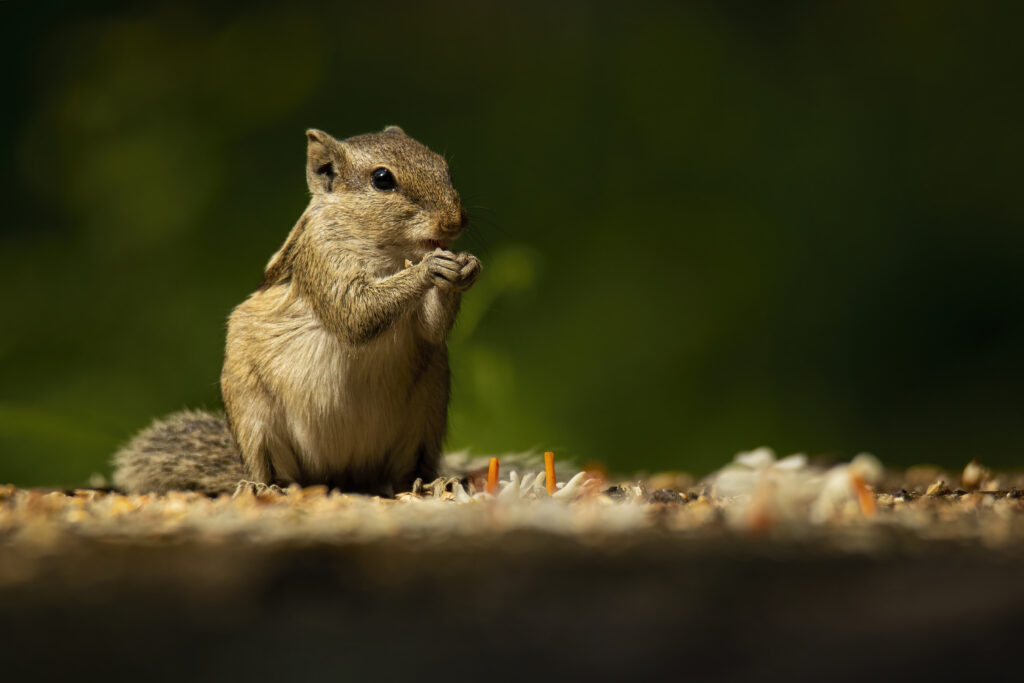

Quick, curious, and endlessly active, the Indian Palm Squirrel (Funambulus palmarum) is one of the most familiar mammals in the Indian subcontinent. Often seen racing along tree trunks, rooftops, and garden walls, this small striped squirrel has become a lively symbol of coexistence between wildlife and human settlements.
Scientific Classification
- Common Name: Indian Palm Squirrel
- Scientific Name: Funambulus palmarum
- Family: Sciuridae
- Order: Rodentia
- IUCN Status: Least Concern
Physical Characteristics
The Indian Palm Squirrel is a small, slender squirrel with distinctive markings:
- Grey-brown fur
- Three prominent white stripes running from head to tail
- Long bushy tail used for balance
- Sharp claws for climbing
Its striped pattern helps it blend into tree bark and urban structures alike.
Habitat and Distribution
This species is native to India and Sri Lanka and thrives in:
- Palm groves and woodlands
- Gardens and parks
- Urban neighborhoods and temple grounds
- Agricultural areas
Its adaptability allows it to survive comfortably in both natural and human-dominated environments.
Diet and Feeding Habits
The Indian Palm Squirrel is an omnivore, feeding on:
- Nuts and seeds
- Fruits and berries
- Flowers and tender shoots
- Insects and bird eggs (occasionally)
By collecting and storing food, it plays an important role in seed dispersal.
Behaviour and Daily Activity
- Active mainly during the daytime
- Highly alert and fast-moving
- Communicates through sharp chirps and tail movements
- Often seen alone or in small groups
Its energetic movements and bold nature make it a favorite subject for nature photographers.
Breeding and Nesting
Indian Palm Squirrels build small nests using leaves, grass, and twigs, often hidden in trees, roofs, or wall cavities. Females give birth to 2–3 young, caring for them until they are strong enough to explore independently.
Cultural and Ecological Importance
In many parts of India, this squirrel is closely associated with temples and households. Ecologically, it contributes to:
- Seed dispersal
- Insect population control
- Urban biodiversity
Its presence reflects a healthy balance between wildlife and human spaces.
Conservation Status and Threats
The Indian Palm Squirrel is listed as Least Concern, with stable populations. However, threats include:
- Loss of trees
- Urban pollution
- Road accidents
Protecting green spaces ensures their continued survival.
Why the Indian Palm Squirrel Matters
- One of the most visible mammals in Indian cities
- Easy to observe, yet ecologically important
- Perfect example of wildlife adaptability
- Adds life and movement to everyday surroundings
Final Thoughts
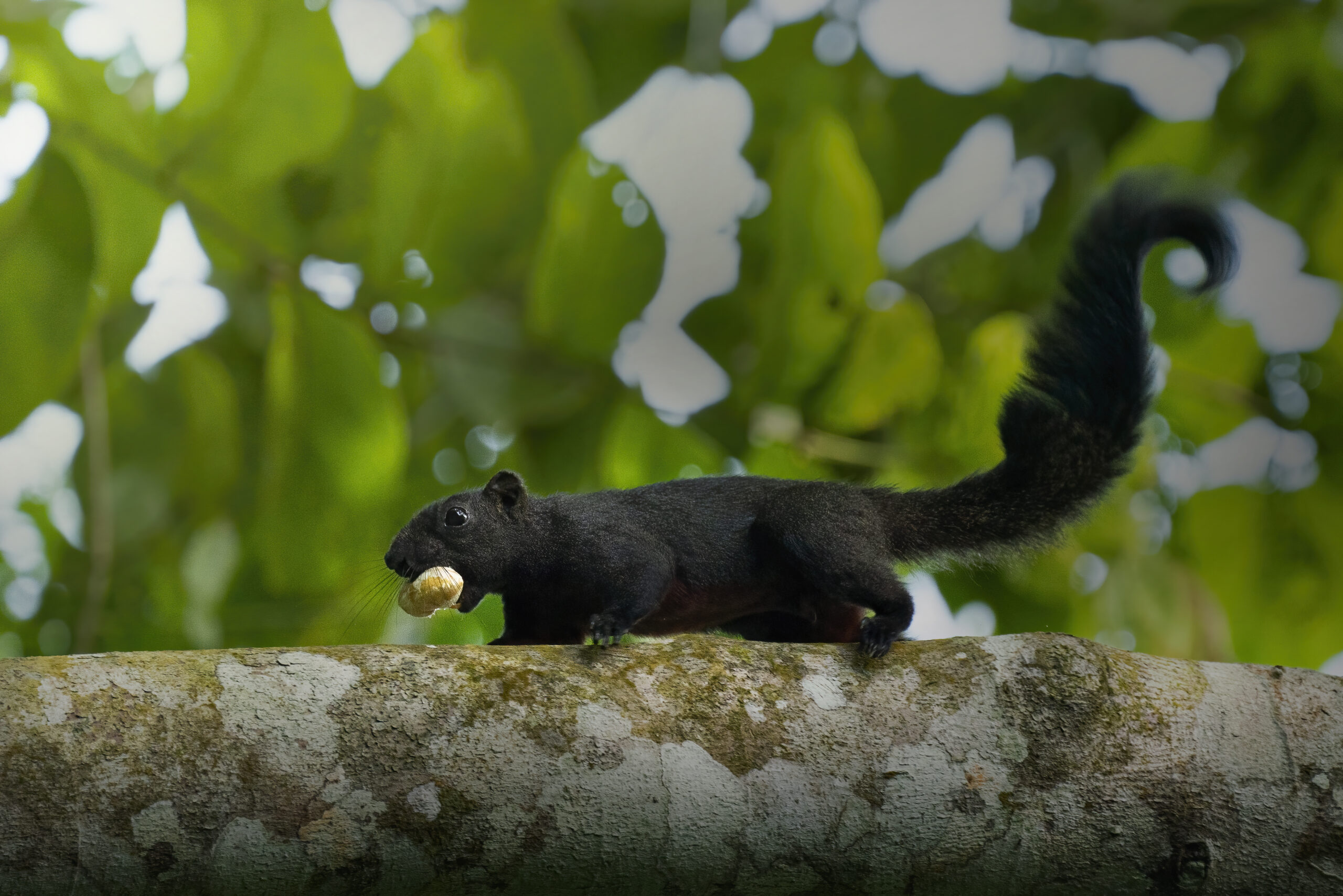
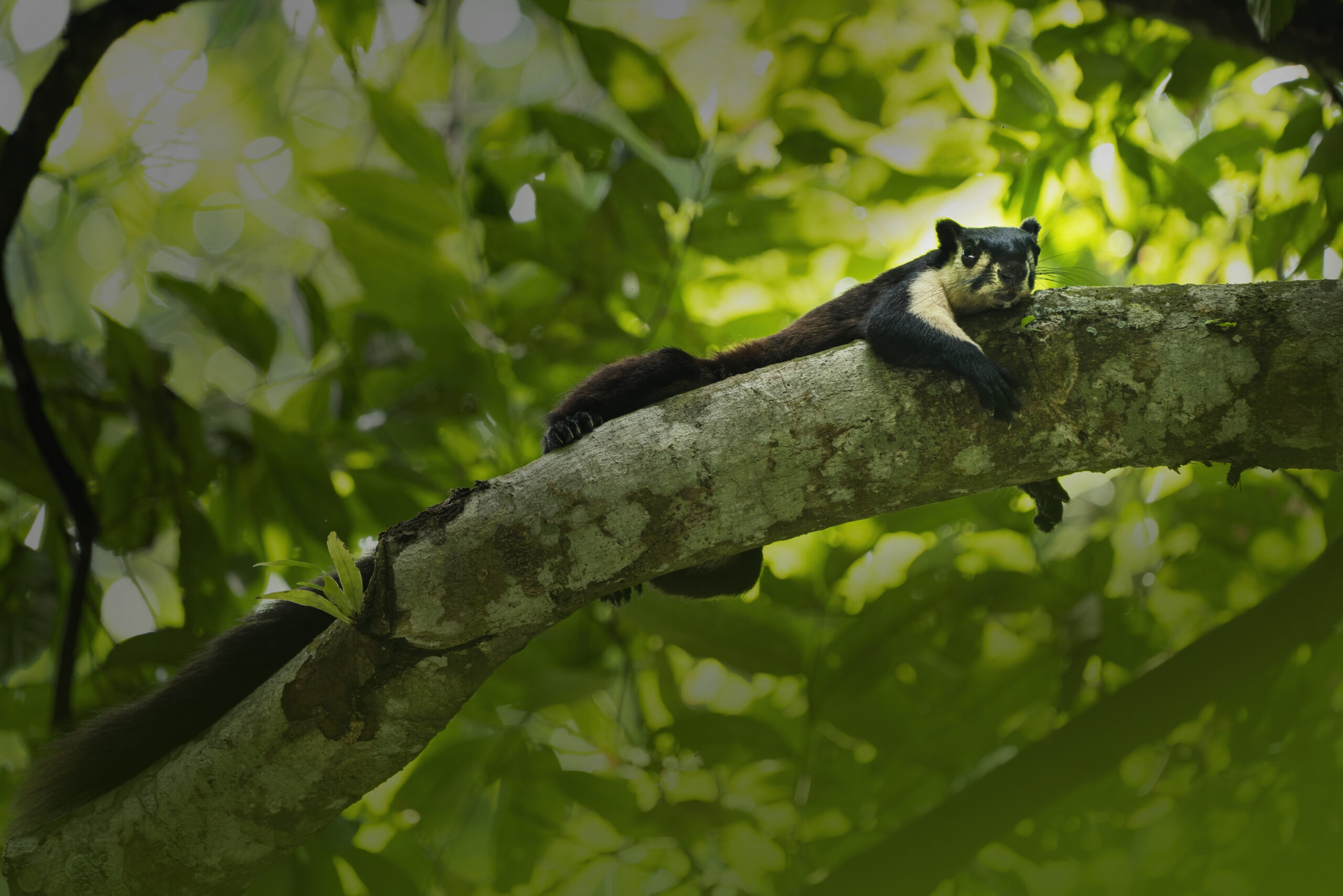
The Indian Palm Squirrel may be small, but its impact is big. Always alert, endlessly energetic, and closely connected to human life, it reminds us that nature does not always live far away—it often shares our own backyards. Here is the biggest squirrel of Bangladesh, which is the Indian Giant Squirrel.